Baker Street garden care specialists for period townhouses
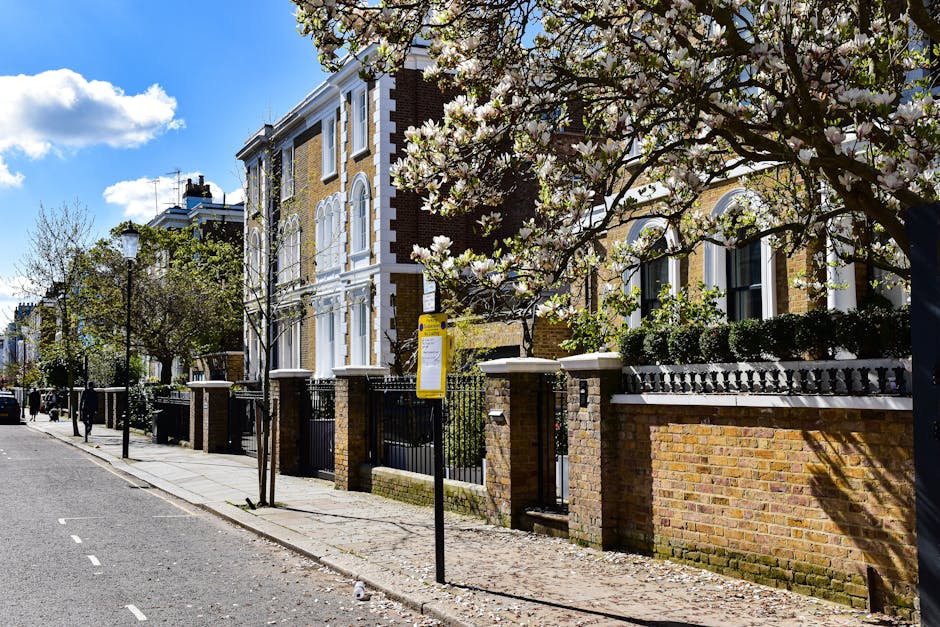
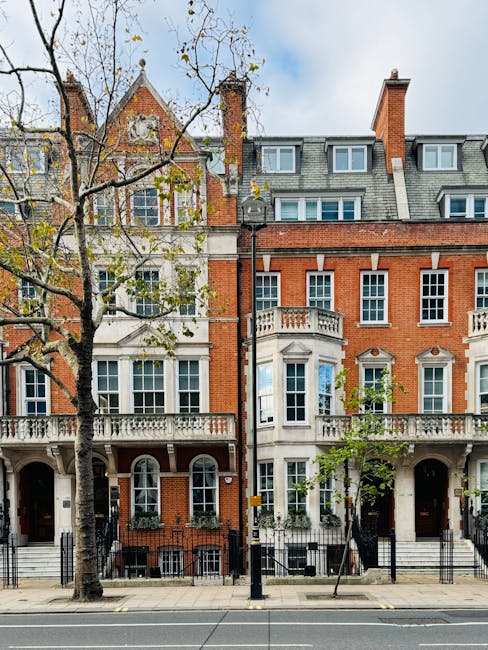
Period townhouses around Baker Street have a very particular kind of charm: tall sash windows, elegant brickwork, railings, basement steps, and gardens that can feel surprisingly compact, shadowed, or exposed all at once. That mix is lovely, but it also means outdoor care needs a lighter touch and a more considered plan. Baker Street garden care specialists for period townhouses understand that a courtyard, front garden, or rear terrace is not just "a bit of green space" to be tidied up now and then. It is part of the property's character.
In practice, that means pruning with restraint, keeping sightlines neat, protecting old masonry, and choosing maintenance methods that suit both the planting and the architecture. If you have ever looked out at a half-shaded town garden and thought, "It needs attention, but not too much," you are in the right place. This guide explains what specialist care involves, how it works, who needs it, and how to get results that feel polished rather than overworked.
Expert summary: Period townhouse gardens reward careful, seasonal maintenance. The goal is not to make them look new; it is to keep them balanced, healthy, and in step with the building's age and style.
Why Baker Street garden care specialists for period townhouses Matters
Period properties are forgiving in some ways and very unforgiving in others. A small garden can look graceful with the right structure, but it can also tip into clutter quickly if shrubs are allowed to spread, ivy starts wandering, or the lawn gets patchy in the corners. Because many Baker Street townhouses sit within dense urban streets, the garden often has to cope with shade, reflected heat, limited access, and the occasional blast of dust or wind funnelled between buildings.
That is where specialist care makes a real difference. A general mow-and-go approach can miss the subtle needs of older homes: roots near foundations, moisture management around stone or brick, planting that should stay in scale, and boundary features that need gentle handling. Let's face it, a clipped hedge that looks great in a new-build estate can feel completely wrong beside a Victorian terrace or Georgian townhouse.
The other reason it matters is continuity. With period gardens, small issues become noticeable fast. A thin strip of moss, a leaning climber, or a hedge that has lost its line can throw off the whole frontage. Good garden care keeps the property looking cared for, which matters for everyday living, guest impressions, and long-term presentation. For larger seasonal jobs, some homeowners also look at garden maintenance support so that the basics never drift too far between visits.
How Baker Street garden care specialists for period townhouses Works
Specialist townhouse garden care usually starts with a walk-through and a proper look at the space in context. Not just what is growing, but how it is growing, where the light falls, how water moves after rain, and which features need protection. That sounds a bit fussy, but in a period setting, detail is the whole game.
A typical process includes three stages. First comes assessment: checking planting condition, garden access, surfaces, edging, tree canopies, and any awkward corners where debris tends to gather. Then comes a maintenance plan: what should be pruned, mown, shaped, cleared, or improved now, and what should be left alone until the right season. Finally comes the work itself, carried out with tools and methods suited to the space. The difference between careful pruning and blunt trimming is often visible the same afternoon.
In a Baker Street townhouse garden, work may also need to be paced around residents, neighbours, and access constraints. Narrow paths, shared entryways, basement lightwells, and small courtyards mean tidy setup and tidy exit matter almost as much as the gardening itself. If your garden includes paved seating areas or a small deck, you may also want support from decking services to keep timber or composite areas in good order alongside the planting.
What the work often includes
- Seasonal pruning and shaping of shrubs, climbers, and small trees
- Lawn mowing or alternative groundcover upkeep in shaded plots
- Border tidying, deadheading, and plant health checks
- Leaf clearance and debris removal from steps, gutters of paved areas, and corners
- Hedge trimming to preserve symmetry and privacy
- Replanting or soft landscaping updates where beds have become tired
Key Benefits and Practical Advantages
There are the obvious benefits, of course: a neater garden, better curb appeal, healthier plants. But specialist care does more than make things look nice on a Saturday morning. It protects the relationship between the garden and the house itself.
Preserves period character. A townhouse garden should feel like it belongs to the building. That means scale, proportion, and plant choice matter. Specialists understand when to keep things restrained and when a little softness will balance hard brick or stone.
Reduces damage risk. Overgrown roots, trapped moisture, and poor airflow can create issues around older walls, fences, and paving. Thoughtful maintenance helps limit that risk. Not every problem is dramatic; sometimes it is just a damp patch that never quite dries, and then one day you realise the planter was the culprit.
Makes small spaces work harder. Period townhouse gardens are often compact. Good upkeep can make them feel brighter, more generous, and easier to use. That might mean opening up a sightline, reshaping a hedge, or rethinking where plants sit so the space breathes again.
Supports regular living. If you actually use the garden, predictable maintenance is worth a lot. No one enjoys stepping outside to find a jungle after two wet weeks. A reliable routine keeps the space ready for coffee, reading, or a quick reset between work calls.
Can be bundled with broader outdoor care. Sometimes a garden needs more than routine maintenance. If the space has become neglected, a one-off garden clearance may be the right place to start, followed by ongoing care to keep it under control.
| Need | General approach | Specialist townhouse approach |
|---|---|---|
| Visual balance | Basic trimming and mowing | Proportion-led shaping that suits the architecture |
| Plant health | Routine cutting back | Seasonal pruning based on species and position |
| Space use | Keep it tidy | Improve flow, access, and usable zones |
| Risk control | Remove obvious hazards | Watch roots, moisture, hard edges, and old surfaces |
| Finish | Clean enough | Careful, refined, and consistent |
Who This Is For and When It Makes Sense
This kind of service is not only for large private gardens. In fact, many of the most suitable spaces are small front gardens, shaded rear courtyards, basement-level planting areas, and narrow terraced plots where every square metre counts. If the property is listed, historically significant, or simply older and more delicate than average, specialist care becomes even more valuable.
It also makes sense if you are one of the following:
- A homeowner who wants the garden to match the quality of the townhouse
- A landlord preparing a period property for viewings or new tenants
- A resident who values privacy screening without letting hedges dominate the facade
- Someone returning after a spell away, with a garden that has run a bit wild
- A household that needs dependable upkeep but does not want an overdesigned look
Truth be told, many people delay garden care because they think the space is "too small to matter." That usually backfires. Small gardens show neglect faster than large ones. You notice every edge, every dead stem, every patch of weeds. The upside? They also respond quickly when looked after properly.
Step-by-Step Guidance
If you are planning garden care for a period townhouse, a measured approach tends to work best. Here is a practical sequence.
- Start with a full assessment. Look at access, sunlight, shade, drainage, plant condition, and any fixed features such as railings, stone steps, or terraces.
- Identify what must stay. Mature climbers, heritage planting, or established trees often provide the character of the space. Do not cut first and think later.
- Prioritise safety and structure. Remove hazards, clear trip risks, and open up paths before dealing with cosmetic details.
- Shape, don't butcher. Prune for health and form. A little restraint goes a long way in period settings.
- Refresh the ground layer. Weed, mulch, mow, edge, or improve groundcover so the garden looks finished from the floor up.
- Check the seasonal calendar. Some tasks are best done in late winter, others after flowering, and some after the main nesting season depending on the work involved. Timing matters.
- Set a maintenance rhythm. Weekly, fortnightly, or monthly visits may be enough, depending on growth rate and how much you use the space.
If you are not sure what cadence suits the garden, a good starting point is a simple, recurring maintenance plan rather than a huge one-off push. It is easier on the plants, and honestly, easier on your patience too.
Expert Tips for Better Results
Over the years, the best townhouse gardens have usually had one thing in common: they were never asked to do too much. That sounds almost too simple, but it is true.
Keep a strong outline. In compact gardens, the outline does the heavy lifting. Clean hedge lines, clipped edges, and well-defined beds create calm. Without them, even good planting can look messy.
Mix texture, not clutter. Period homes suit layered texture: evergreen structure, seasonal flowers, and one or two focal plants. Too many competing shapes makes the space feel busy. A bit too busy, actually.
Use containers with discipline. Pots can be brilliant in townhouse gardens because they add height and flexibility. But they need proportion. One oversized planter or five tiny mismatched pots can throw the whole thing off.
Watch the shade. Baker Street gardens often sit in partial shade for much of the day. That means plant choice, moss management, and watering routines need adjustment. Not every plant will thrive there, and that is fine.
Work with the building, not against it. Brick, stone, railings, ironwork, and sash-window proportions all influence how a garden should look. Think balance, not symmetry for its own sake.
Plan for low-friction upkeep. If the garden is awkward to access, keep maintenance methods simple enough that they can be repeated well. A beautiful garden that is impossible to maintain soon stops being beautiful.
Common Mistakes to Avoid
Some mistakes are very common, and in period properties they are more noticeable than you might expect.
- Over-pruning mature plants. Older shrubs and climbers often need selective work, not a hard reset.
- Ignoring drainage and moisture. Older walls and paved areas can suffer if water sits where it should not.
- Choosing plants only for looks. If the plant hates shade or the soil dries too fast, it will become a problem later.
- Letting hedges grow out of scale. In front gardens, height and spread can quickly dominate the facade.
- Skipping regular debris removal. Leaves, petals, and cuttings are harmless until they block paths or turn slimy after rain.
- Using one-off fixes forever. A tidy rescue is helpful, but a maintenance rhythm is what keeps the garden consistent.
A small but important point: do not let a quick aesthetic win override long-term plant health. It is tempting to make everything look sharply trimmed in one go. We get it. But older planting often needs patience, not drama.
Tools, Resources and Recommendations
The right tools make a delicate garden job feel calm rather than chaotic. You do not need a van full of gear, but you do need the right kit for precision work.
- Hand shears and secateurs for shaping without tearing stems
- Lightweight hedge trimmers for controlled boundary work, used carefully
- Rakes and leaf tools for autumn and after windy spells
- Edging tools to sharpen the garden's visual line
- Wheelbarrows or carry buckets for tight-access gardens
- Mulch or compost to support soil moisture and reduce weed pressure
For clients who want ongoing support, the most useful resource is a reliable maintenance plan paired with clear communication. Many people also like to review the broader services overview so they can see how routine care, clearance, landscaping, and tree work fit together.
If the garden has mature trees, overextended branches, or unsafe growth near walls or roofs, it may be sensible to involve tree lopping and removal as part of a wider plan. That is not always needed, of course, but when it is, it is usually better handled early.
Law, Compliance, Standards, or Best Practice
Garden care in London does not usually involve heavy regulation for basic maintenance, but period townhouses can bring responsibilities that are worth taking seriously. If the property is listed, in a conservation area, or has protected trees, additional care and permissions may be relevant. The exact obligations depend on the property and the work proposed, so it is wise to treat those matters carefully rather than guess.
From a best-practice point of view, there are a few standards that matter almost everywhere:
- Safe working methods around ladders, tools, and hard surfaces
- Respect for neighbouring properties when using noisy equipment or accessing shared areas
- Proper waste handling so clippings and green waste are collected responsibly
- Insurance awareness for work involving ladders, tree work, or hard landscaping
- Clear scope of works so everyone knows what is included and what is not
If you are comparing providers, ask how they handle safety, insurance, and security in practical terms. A company that has thought through insurance and safety is usually a better bet than one that talks only about speed.
Waste handling also matters. Green waste, soil, old plants, and clear-out material should be managed in a tidy, lawful way, and if sustainability matters to you, it is worth checking whether the team follows a sensible recycling and sustainability approach. In a dense city street, that kind of care is visible. Neighbours notice, even if they never say so.
Options, Methods, or Comparison Table
Different gardens need different levels of input. Here is a simple comparison that may help if you are deciding between routine maintenance, one-off intervention, or a more design-led approach.
| Approach | Best for | Strengths | Limitations |
|---|---|---|---|
| Routine maintenance | Established townhouse gardens | Consistent, low-stress, keeps structure intact | Not enough if the garden has already become overgrown |
| Garden clearance | Neglected or newly acquired properties | Fast reset, removes bulk clutter and waste | Does not solve long-term upkeep on its own |
| Hedge and shrub shaping | Gardens needing definition and privacy | Improves form and proportion | Needs seasonal judgement to avoid overcutting |
| Landscape gardening | Spaces needing a stronger layout or planting update | Can improve use, flow, and visual appeal | More planning involved; not always a quick fix |
For some properties, light landscaping can make the biggest difference. A more considered landscape gardening project may help if the current layout feels awkward, underused, or just a bit tired around the edges.
Case Study or Real-World Example
Picture a classic Baker Street townhouse with a narrow rear garden, one side shaded by a tall wall and the other opening to late afternoon sun. The space has good bones: old brick, a small paved area, a mature climber, and a couple of shrubs that once looked elegant but have started to sprawl. After a wet spring, the lawn is patchy, leaves have gathered in the corners, and the whole garden feels smaller than it should.
A sensible specialist approach would not begin with a hard reset. First, the team would clear debris, check the planting structure, and remove what is genuinely overcrowding the space. Then they would trim the hedge to restore a clean edge, lighten the climber, and reshape the shrubs so they sit comfortably against the house rather than fighting it. If the ground plane has become messy, the lawn could be levelled and refined through careful lawn mowing and edging, while any awkward accumulation at the back could be addressed through selective clearance.
The result is not dramatic in a flashy way. It is better than that. The garden suddenly looks like it belongs to the townhouse again. Morning light hits the paving more cleanly, the railings feel intentional, and the planting stops shouting for attention. That, in my view, is the sweet spot.
Practical Checklist
Use this checklist if you are reviewing a service or preparing your garden for specialist care:
- Check whether the garden is front, rear, courtyard, or basement level
- Note shaded, damp, windy, or heat-reflective areas
- Identify mature plants that should be preserved
- List any trees, climbers, hedges, or boundary features needing attention
- Look for drainage issues, moss, or slippery paving
- Decide whether the space needs clearance, maintenance, or a wider redesign
- Confirm access routes and any shared entrance constraints
- Ask how green waste will be removed or recycled
- Check whether the provider can handle periodic visits, not just one-off jobs
- Make sure you understand what happens seasonally, not just immediately
If you are comparing providers, it also helps to review company information such as about us, pricing and quotes, and the practical details in health and safety policy. Those pages tell you a lot about how a team thinks.
Conclusion
Baker Street garden care specialists for period townhouses bring something more refined than standard garden tidying. They understand scale, restraint, seasonal timing, and the way outdoor space supports the character of an older home. That matters whether you are preserving a small courtyard, improving a shaded front garden, or bringing a neglected plot back into shape.
The best results usually come from regular attention, careful pruning, and a willingness to let the garden suit the building rather than forcing it into a trend-led look. In a place like Baker Street, that quieter approach tends to age well. Very well, in fact.
If you are ready to improve the garden without losing its period charm, the next step is simple: speak to a specialist who knows how to balance maintenance, presentation, and practical care for townhouse settings.
Get a free quote today and see how much you can save.
Frequently Asked Questions
What makes Baker Street garden care specialists for period townhouses different from a standard gardener?
They focus on proportion, preservation, and the needs of older properties. That often means more careful pruning, better plant selection for shaded or compact spaces, and a gentler approach around brick, stone, and heritage features.
How often should a period townhouse garden be maintained?
It depends on growth, layout, and how much the garden is used. Many townhouse gardens benefit from a regular monthly or fortnightly rhythm in the growing season, with lighter visits or seasonal adjustments during quieter months.
Can a small courtyard garden really benefit from specialist care?
Absolutely. Small gardens often show neglect faster than larger ones, and they also reveal the quality of maintenance more clearly. A specialist can make a small space feel calmer, brighter, and easier to use.
What if the garden has become very overgrown?
That usually calls for a clear-out first, then a follow-up maintenance plan. A one-off tidy is helpful, but if you want the garden to stay under control, ongoing care matters more than a single big intervention.
Do period townhouse gardens need different plants from modern gardens?
Not strictly different plants, but definitely more careful plant choices. Shade tolerance, mature size, root behaviour, and appearance against the architecture all matter. The goal is to keep the planting in scale with the property.
Is hedge trimming safe near older walls and railings?
It can be, if it is done carefully. The main risks are overcutting, accidental contact with delicate surfaces, and leaving the hedge too bare for the setting. Gentle, well-timed trimming is usually the better route.
What should I ask before hiring a garden specialist?
Ask about their maintenance approach, insurance, waste removal, seasonal planning, and whether they understand period properties. It also helps to check how they handle access, neighbours, and any special property constraints.
Do I need clearance or maintenance?
If the garden is cluttered, choked, or difficult to move through, clearance may be the right starting point. If the space is mostly healthy but untidy or inconsistent, maintenance is usually enough. Sometimes you need both, one after the other.
How do I know if tree work is needed?
If branches are overextended, blocking light, rubbing against structures, or creating safety concerns, tree work may be worth discussing. It should always be approached cautiously, especially near older buildings and boundary lines.
Can these services help with presentation before renting or selling?
Yes. A tidy, well-proportioned garden can change how a period townhouse feels in first viewings and day-to-day use. It is not about making everything perfect; it is about making the space feel cared for and believable.
What should I do if I want a more designed look rather than just maintenance?
Start with the current structure, then talk about layout, planting, and hard features. A more design-led update may sit alongside routine care, particularly if the garden needs better flow or more seasonal interest.
Where can I find more information about the company and its services?
You can review the wider services overview, learn more on the about us page, or use the contact us page if you are ready to discuss your garden in more detail.