Marylebone garden maintenance costs real cost guide
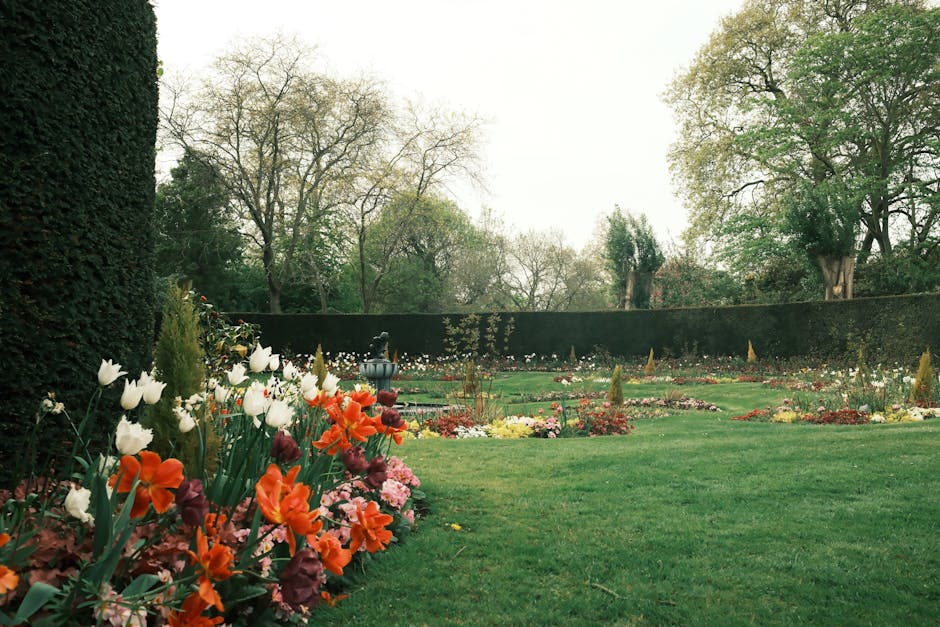
If you are trying to work out what garden care should really cost in Marylebone, you are not alone. Prices can feel slippery. One quote sounds tidy, another feels oddly high, and the job itself is often more nuanced than "just a bit of gardening". This Marylebone garden maintenance costs real cost guide breaks down the moving parts clearly, so you can budget properly, compare quotes with confidence, and avoid paying for things you do not need.
Truth be told, the real cost is rarely just about grass cutting or hedge trimming. It depends on access, garden size, how often the work is done, what state the space is in, and whether you need ongoing care or a one-off reset. In a place like Marylebone, where many gardens are compact, private, and sometimes tricky to access, those details matter more than people expect.
Below, you will find a practical breakdown of the costs, the service types that influence price, and the best way to think about value rather than just the cheapest number on a quote.
Why Marylebone garden maintenance costs real cost guide Matters
Garden maintenance is one of those services where the headline price can hide a lot. On paper, a weekly mow or a monthly tidy-up sounds simple. In reality, the work often includes waste removal, edge finishing, pruning, leaf clearance, seasonal resets, and a bit of problem-solving when the garden has been left to get away with itself. That is especially true in central London, where gardens may be small but still need careful, skilled attention.
For Marylebone homeowners, tenants, landlords, property managers, and businesses, cost clarity matters for two reasons. First, it helps you plan. Second, it helps you spot whether a quote is sensible or padded with extras you do not need. A good maintenance plan should match the garden, not a generic price list.
There is also a wider practical point. Regular upkeep protects planting, keeps outdoor spaces usable, and can prevent a simple job from becoming a bigger clearance later. If you let a hedge go for six months or a lawn turn patchy and overgrown, the next visit will probably take longer. And yes, the invoice may reflect that.
That is why the real cost guide approach is more useful than chasing "cheap gardening" searches. It helps you understand the relationship between work, frequency, access, and outcome. Once you see that pattern, quotes become much easier to judge.
Expert summary: in Marylebone, maintenance prices are usually shaped less by the postcode itself and more by the practical realities of access, garden condition, service frequency, and waste handling. A neat, accessible courtyard can be straightforward; a cluttered, neglected space with limited access is a different story entirely.
How Marylebone garden maintenance costs real cost guide Works
Most garden maintenance pricing follows a simple logic: the more time, labour, equipment, and disposal required, the higher the cost. But the details are where the real picture appears. A quoted price might be hourly, per visit, or based on a regular contract. Some providers prefer fixed quotes for defined jobs; others work on estimates and then adjust if the garden turns out to be more involved than expected.
In practical terms, the price may reflect some or all of the following:
- garden size and layout
- how easy it is to reach the garden
- condition of the lawn, borders, hedges, and hard surfaces
- frequency of visits
- need for waste removal
- specialist tasks such as hedge trimming or tree work
- seasonal requirements, like autumn leaf clearance or spring renewal
- time spent setting up, moving tools, and tidying the site afterwards
A simple front or rear garden may only need mowing, light weeding, and a quick tidy. A more mature garden might require hedge trimming, pruning, mulching, and a careful approach to plants that should not be cut back too hard. If the garden includes heavy growth or unwanted debris, a separate garden clearance service can make more sense than paying for repeated tidy-ups.
One thing many people miss is that maintenance pricing is often about reducing future work. A well-kept garden is cheaper to look after over time. Let it slide, and the next visit becomes less maintenance, more recovery.
That is where good planning pays off. If you know whether you need a one-off tidy, a monthly visit, or a full ongoing package, you can ask for the right scope from the start. For a broader view of available options, it can help to review the provider's services overview before comparing prices.
Key Benefits and Practical Advantages
It is easy to focus only on the cost side, but proper garden maintenance has real practical value. In a busy part of London, a tidy outdoor space changes how a property feels. It can make a small garden usable again, improve presentation, and reduce stress for anyone responsible for the property.
Here are the main advantages people usually notice:
- More predictable budgeting: regular maintenance is easier to plan than emergency tidying.
- Better garden health: plants, lawns, and hedges respond better to steady care than neglect followed by harsh cutting.
- Less disruption: small, regular visits often mean less mess and fewer surprise jobs.
- Improved appearance: even modest work can make a garden look calmer, brighter, and more cared for.
- Reduced risk of bigger costs: grass, hedges, leaves, and debris do not usually fix themselves. Annoying, but true.
There is also a property-management angle. If you are preparing a rental, maintaining a communal courtyard, or keeping a private garden presentable between seasons, routine work can prevent complaints and avoid that last-minute panic before a viewing or guest arrival. You know the kind of moment: five minutes before people arrive, and the garden suddenly looks like it has had a rough month.
Lawn mowing is often the entry point for regular care, but it is rarely the only task. Edges, borders, leaves, and light pruning can make the difference between "mown" and "maintained".
Who This Is For and When It Makes Sense
This guide is useful if you are any of the following:
- a homeowner wanting a tidy, low-stress outdoor space
- a landlord or letting agent maintaining rental presentation
- a property manager responsible for shared or private external areas
- a business owner with a frontage, courtyard, or entrance garden
- someone who has inherited a neglected garden and wants a realistic reset plan
It also makes sense if you are deciding between a one-off job and a regular schedule. That choice changes the price more than people expect. One-off work is often more labour-heavy because the team has to do the initial catch-up. Ongoing care spreads the work out and is usually easier to keep under control.
If the space is small but fiddly, or if access is awkward, you may still benefit from maintenance even if you do not need anything dramatic. Marylebone gardens often fall into that category: compact spaces, decorative planting, mature shrubs, and limited room for storage or machinery. Small does not mean simple.
You should also think about whether specialist services are part of the picture. For example, if you have mature hedging, regular hedge work may be better than leaving it until it becomes a full cut-back job. If you have structures like timber features or terraces, it may be worth looking into decking services or related upkeep so the whole space feels coherent.
Step-by-Step Guidance
If you want a sensible estimate rather than a vague guess, work through the process below. It keeps things grounded and makes quote comparison much easier.
- Define the job clearly. Decide whether you need mowing, pruning, weeding, seasonal tidy-up, clearance, or a mixed maintenance visit.
- Measure the space roughly. You do not need architectural precision. Even a basic sense of size, shape, and number of areas helps.
- Note access issues. Narrow side passages, locked gates, basement steps, shared entrances, and limited parking can all affect labour time.
- List the main tasks. For example: mow lawn, trim hedge, clear leaves, remove waste, tidy borders, cut back growth.
- Decide on frequency. Weekly, fortnightly, monthly, seasonal, or one-off. Frequency changes both price and outcome.
- Ask what is included. Waste removal, green bagging, edging, and clean-down should not be assumed if they are not stated.
- Request a written quote or clear estimate. This helps you compare like for like, not apples and pears.
- Review the maintenance plan after the first visit. A good provider will often adjust the schedule once they see how the garden behaves across a season.
One small but useful point: if you are comparing prices for a garden that has been neglected for a while, ask for a split between "reset" work and ongoing maintenance. That distinction is often where the real cost becomes clearer. Without it, you may think a provider is expensive when they are actually pricing in several hours of recovery work.
For more structured pricing conversations, the provider's pricing and quotes page can be a useful starting point before you book a visit.
Expert Tips for Better Results
There are a few practical habits that consistently improve value. None of them are complicated. They just save time, and time is money in garden work.
- Schedule work before the garden gets out of hand. A little prevention goes a long way.
- Group tasks together. It is often more efficient to combine mowing, hedge trimming, and border tidy-up in one visit than to split them across multiple small jobs.
- Keep pathways clear. If tools and waste have to be moved around clutter, you are paying for extra labour.
- Use the season properly. Spring and autumn are usually the moments when gardens need the most practical attention.
- Be honest about the condition of the space. A fair quote depends on a fair description.
In our experience, the best results come when the client and gardener treat the garden like a living space rather than a static job sheet. Plants grow, weather changes, and the same yard can need very different work in June versus November. Sounds obvious, but it gets overlooked all the time.
Another tip: if sustainability matters to you, ask how green waste is handled and whether reusable or recyclable materials are being prioritised where sensible. You can also review a provider's recycling and sustainability approach if environmental practice is part of your decision-making.
Common Mistakes to Avoid
The biggest pricing mistakes are usually not about the numbers themselves. They are about assumptions.
- Assuming every quote covers the same work. It rarely does.
- Comparing a one-off tidy with a recurring maintenance visit. Those are very different jobs.
- Ignoring waste removal. Green waste adds time and disposal effort.
- Underestimating access problems. Narrow entrances or difficult parking can change the labour profile quickly.
- Waiting until the garden is heavily overgrown. That is when prices rise and expectations get messy.
- Choosing only on the lowest number. Cheap can be fine. Cheap and vague is where trouble starts.
A classic example is the "quick tidy" that turns into several bags of cuttings, a hedge reshape, and a stubborn patch of weeds in the border. Nobody is being awkward; the garden just turned out to need more work than first expected. If the quote did not describe the scope clearly, that is where friction begins.
It is worth asking one direct question: what exactly is included, and what would trigger an extra charge? That single question can save a lot of back-and-forth later. Honestly, it is one of the most useful questions you can ask.
Tools, Resources and Recommendations
You do not need a shed full of equipment to make a smart maintenance decision. What you do need is enough information to compare quotes sensibly and enough awareness to avoid paying twice for the same work.
Useful things to have ready before asking for a price:
- basic garden measurements or rough dimensions
- a few clear photos from different angles
- a list of the tasks you want done
- notes on access, parking, and waste removal
- your preferred maintenance frequency
- any known issues, such as broken fencing, heavy leaf fall, or difficult hedges
On the service side, it can help to look at the provider's wider menu so you can see whether a single visit or a fuller package makes more sense. For example, some gardens need combinations of regular garden maintenance, lawn care, hedge trimming, and even tree lopping and removal if something has become unsafe or unmanageable.
If the garden has become particularly untidy, a separate garden clearance can be the cleanest route before regular upkeep begins again. It is not always glamorous. Sometimes the smartest move is simply clearing the deck, so to speak, and then resetting the routine.
Law, Compliance, Standards and Best Practice
Garden maintenance is not usually a heavily regulated service in the way some trades are, but good practice still matters. Safety, access, waste handling, and responsible work methods are all part of a professional service. If tree work is involved, for example, more care is needed because the risks and equipment involved are greater than for standard tidying.
In a central London setting, reputable providers should think carefully about:
- safe use of tools and machinery
- site risk awareness
- clear communication about the work being done
- appropriate insurance and safety practices
- responsible disposal of garden waste
For clients, it is sensible to ask whether the business takes safety and insurance seriously. That is not being fussy. It is normal due diligence. A garden may look harmless, but ladders, cutters, slippery surfaces, and hidden debris can change the picture quickly.
You can also review practical policy pages such as insurance and safety and health and safety policy if you want reassurance about how a provider approaches risk and responsibility. For many readers, that is not the exciting bit. But it is the bit that protects everyone when the work begins.
There is also a professional conduct side to consider. If you ever need to raise a concern, a clear complaints route is a good sign. Likewise, readable terms and secure payment processes show that the business has thought beyond the first invoice. Small things, but they matter.
Options, Methods, and Comparison Table
Not every garden needs the same type of service. Sometimes a recurring maintenance plan is best; sometimes a one-off clearance is the more sensible move. Here is a plain-English comparison to help you think it through.
| Option | Best for | Typical cost drivers | Practical note |
|---|---|---|---|
| One-off tidy | Gardens that are mostly under control but need a reset | Time on site, light pruning, weeding, bagging waste | Good for occasional catch-up jobs |
| Regular maintenance | Homes and properties that need consistent presentation | Visit frequency, mowing, edging, hedge care, seasonal tasks | Often better value over time |
| Garden clearance | Overgrown, cluttered, or neglected spaces | Labour intensity, waste volume, access, disposal | Useful before restarting a maintenance schedule |
| Mixed service plan | Gardens needing several tasks on rotation | Scope of each visit, specialist tasks, seasonality | Can be the most practical solution in Marylebone |
As a rule of thumb, the more predictable the garden, the easier it is to budget. Regular maintenance tends to lower surprises, while clearance work tends to be more variable because every neglected space hides its own little story. A few weeds, fine. A forgotten trellis, less fine. A half-buried border, well, that happens too.
Case Study or Real-World Example
Here is a realistic example from the kind of work many Marylebone properties need. A small rear garden has a compact lawn, mixed borders, and a hedge along the boundary. It has not been maintained properly for a few months, so the lawn is long, the hedge is soft but untidy, and weeds have started filling the edges. Nothing dramatic, but enough to feel messy.
A sensible approach would be to separate the work into two phases. First, a reset visit: mow, trim, edge, clear weeds, tidy the hedge, and remove waste. Second, a regular schedule: perhaps monthly maintenance with seasonal hedge attention and leaf clearance as needed.
Why does that matter financially? Because the first job is doing the catch-up work, while the later visits are easier and quicker. If you only ask for one all-in price without splitting the phases, you may think maintenance is expensive. It is more accurate to say the garden was overdue a reset.
I have seen this happen more than once: the first visit takes a little longer than expected, the second is calm and efficient, and by the third the garden almost looks like it is looking after itself. Not literally, of course. Gardens are not that polite. But good routine care does change the whole experience.
This is also where broader service planning can help. A property with mature planting might benefit from landscape gardening advice if the layout itself is causing repeated maintenance headaches. Sometimes the answer is not just more visits. Sometimes it is a better design.
Practical Checklist
Use this checklist before you request a quote or agree a maintenance schedule.
- Have I clearly described the work I need?
- Do I know whether this is a one-off or recurring job?
- Have I mentioned access, parking, and waste removal needs?
- Have I included photos or a rough layout of the garden?
- Do I understand what is included in the price?
- Have I asked whether hedge, tree, or clearance work is separate?
- Do I know how often the garden really needs attention?
- Have I checked whether the provider uses sensible safety and insurance practices?
- Have I considered whether a clearance visit would make regular maintenance cheaper later?
- Do I have a realistic budget range rather than a wishful one?
If you can answer most of those with confidence, you are already ahead of many people comparing quotes. Really. A little clarity now saves a lot of awkwardness later.
Conclusion
The real cost of Marylebone garden maintenance is not about a single magic number. It is about scope, frequency, access, condition, and the standard of finish you want. A well-kept garden is usually cheaper to maintain than a neglected one, and a clear quote is always more useful than a vague promise.
What matters most is matching the service to the garden. A small courtyard may need little more than regular mowing and tidying. A more established space may need hedge care, seasonal pruning, or an initial clearance before it can settle into a routine. If you plan properly, the costs become easier to understand and far easier to control.
And to be fair, that is the goal for most people: not the cheapest possible visit, but a garden that looks cared for without becoming a drain on time or budget. A space you can actually use. One that feels calm when you step outside, even on an ordinary Tuesday morning.
Get a free quote today and see how much you can save.
If you want to understand the business behind the service, you can also learn more through the about us page or get in touch via the contact page when you are ready to talk through your garden in more detail.
Frequently Asked Questions
How much does garden maintenance usually cost in Marylebone?
It depends on garden size, access, frequency, and the level of work needed. A small, tidy garden with easy access will usually cost less than a neglected space that needs more labour and waste removal.
Is a one-off garden tidy cheaper than regular maintenance?
Usually, yes for a single visit. But regular maintenance often works out better over time because the garden stays manageable, so each visit takes less time and the results last longer.
Why do Marylebone garden quotes vary so much?
Because not all gardens need the same amount of work. One quote may include waste removal, hedge trimming, and border work, while another may cover only mowing. Without a like-for-like scope, the numbers are not really comparable.
What makes a garden maintenance job more expensive?
Common price drivers include overgrowth, difficult access, a large amount of green waste, specialist pruning, tree work, and the need for extra time to restore a neglected space.
Should waste removal be included in the quote?
It should be made clear, yes. Waste handling takes time and may affect the final price. Never assume it is included unless the quote says so.
How often should a Marylebone garden be maintained?
That depends on the planting, size, and how the garden is used. Many gardens benefit from weekly, fortnightly, monthly, or seasonal attention, but the right frequency is usually based on how quickly the space changes.
Is hedge trimming usually priced separately?
Often it is, especially if the hedge needs ladders, shaping, or a bigger cut-back than standard maintenance. It is worth confirming this before the visit.
What is the difference between garden clearance and maintenance?
Clearance deals with overgrown, cluttered, or neglected spaces. Maintenance is the ongoing care that keeps the garden in good condition after that initial reset.
Can a maintenance quote change after the first visit?
Yes, if the initial description was incomplete or the garden turns out to need more work than expected. A good provider should explain any adjustment clearly rather than surprising you later.
Do I need to prepare the garden before the gardener arrives?
It helps. Clearing access, moving fragile items, and sharing any known issues makes the job quicker and more efficient. A tidy start usually means a smoother visit.
How do I know if a quote is fair?
Check what is included, compare the scope rather than just the number, and make sure the provider has allowed for access, waste, and the condition of the space. Fair quotes are clear quotes.
What should I ask before booking garden maintenance?
Ask what tasks are included, how waste is handled, whether there are extra charges for access or overgrowth, and whether the work will be one-off or ongoing. Those questions do most of the heavy lifting.