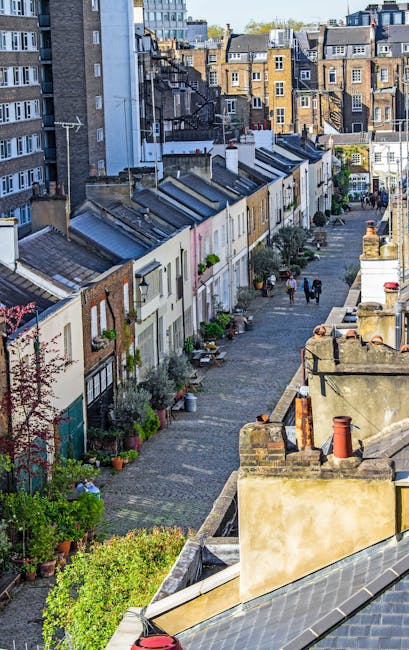
Marylebone gardeners for terraces on Marylebone High Street: practical help for compact outdoor spaces
If you live or work near Marylebone High Street, you already know the appeal of a terrace. It can be a quiet pocket above the street, a place for coffee in the morning, herbs by the door, or a few well-placed planters that make the whole space feel calmer. But terraces are also unforgiving. One windy week, a missed watering cycle, or a bit of overgrown planting and suddenly everything looks tired. That is where Marylebone gardeners for terraces on Marylebone High Street come in: not just to keep things tidy, but to make a small outdoor space genuinely work for daily life.
This guide explains what terrace gardening in Marylebone usually involves, how the work is approached, what to watch out for, and how to get results that last. If you are weighing up regular maintenance, a redesign, or just a one-off refresh, you will find practical advice here without the fluff.
Table of Contents
- Why Marylebone gardeners for terraces on Marylebone High Street Matters
- How Marylebone gardeners for terraces on Marylebone High Street Works
- Key Benefits and Practical Advantages
- Who This Is For and When It Makes Sense
- Step-by-Step Guidance
- Expert Tips for Better Results
- Common Mistakes to Avoid
- Tools, Resources and Recommendations
- Law, Compliance, Standards, or Best Practice
- Options, Methods, or Comparison Table
- Case Study or Real-World Example
- Practical Checklist
- Conclusion
- Frequently Asked Questions
Why Marylebone gardeners for terraces on Marylebone High Street Matters
Terraces are different from traditional gardens. There is less soil, more hard surface, more exposure to wind and reflected heat, and often less room for error. On Marylebone High Street, where buildings, paving, traffic, and changing light all shape the microclimate, planting needs to be chosen carefully. A terrace that looks lovely in spring can struggle by late summer if the wrong plants, containers, or maintenance routine are used.
That is why local knowledge matters. Marylebone gardeners understand the everyday realities of terrace work: narrow access, lifting restrictions, careful watering, and the need to keep things elegant rather than cluttered. In a busy central London setting, people rarely want a high-maintenance jungle. They want structure, freshness, and something that still looks good when the weather turns or when they have not had time to think about it for a week. Fair enough, really.
Good terrace care also supports the wider feel of the property. A neat entrance terrace can make a flat, office, or townhouse feel more welcoming straight away. It adds calm, a bit of softness, and a sense that someone is looking after the place properly. If you are also thinking about broader outdoor improvements, it can make sense to review the full range of garden services available in Marylebone before deciding whether you need maintenance, planting support, or a more complete landscape update.
How Marylebone gardeners for terraces on Marylebone High Street Works
Most terrace garden work starts with a simple question: what should this space do? That answer shapes everything else. A terrace used for morning coffee needs different planting and layout from one designed for entertaining, privacy, or year-round visual interest. Once the purpose is clear, the gardener can assess light, wind exposure, drainage, planter condition, and access.
On Marylebone terraces, the process often includes:
- reviewing the current layout and identifying weak spots
- checking which plants are thriving and which are being bullied by shade, heat, or wind
- refreshing containers, compost, mulch, and drainage layers where needed
- trimming back soft growth, dead stems, and tired foliage
- repositioning plants so the space feels balanced and easier to maintain
- agreeing a watering, feeding, and seasonal care routine
For a lot of clients, the biggest surprise is that terrace gardening is as much about editing as it is about adding. You do not need more stuff everywhere. You need the right stuff, in the right place, with enough breathing room. A well-run terrace usually looks relaxed, not crowded.
Where there is also decking or raised seating, work may overlap with decking services or broader landscaping support, especially if the terrace needs better flow, safer surfaces, or more durable zones for furniture and pots. Sometimes a tiny structural change makes the whole area easier to live with. Small win, big difference.
Key Benefits and Practical Advantages
Terrace gardening is often judged by looks alone, but the real value is broader. A properly maintained terrace can save time, reduce plant loss, and make the space far more usable across the year. It is one of those things you only fully notice when it is done well.
Here are the main benefits people usually care about:
- Better first impression: a clean, balanced terrace makes a property feel cared for.
- More usable space: good planting and layout free up room instead of swallowing it.
- Healthier plants: the right light, feeding, pruning, and watering routine improves survival and appearance.
- Less maintenance stress: regular attention prevents the usual cycle of neglect and rescue work.
- Improved privacy and comfort: taller planters, screening plants, and considered placement can soften overlooking and wind.
- Seasonal interest: careful planting keeps the terrace looking alive in more than just one month of the year.
There is also a quieter benefit: confidence. When the terrace is under control, people use it more. That sounds obvious, but in practice it matters. A space that feels easy to step into becomes part of everyday life rather than a little guilt-inducing corner you avoid. Let's be honest, that happens more often than people admit.
For regular upkeep, many property owners pair terrace care with routine garden maintenance so seasonal pruning, tidying, and plant health checks do not get left until everything is tangled. If the terrace has become overrun after a busy period or a long gap between visits, garden clearance can be the most sensible first step before any finer work begins.
Who This Is For and When It Makes Sense
Marylebone gardeners for terraces on Marylebone High Street are a good fit for anyone who wants an outdoor space to look intentional rather than accidental. That includes residents, landlords, managing agents, hospitality businesses, offices with roof or terrace areas, and homeowners in nearby streets who want a polished, low-fuss setting.
It usually makes sense if:
- your terrace is small and hard to keep balanced without expert help
- plants keep failing even though you are watering them
- the space gets too hot, too windy, or too shaded
- you want a better layout for seating, planters, and access
- you need seasonal refreshes rather than a full redesign
- you simply do not have the time to keep on top of it every week
Sometimes the trigger is not dramatic. It is just a terrace that has started to look a bit flat. A few yellowing leaves, a tired container, moss on hard surfaces, and suddenly the place feels older than it should. A thoughtful gardener can turn that around without making the terrace feel overworked or overdesigned.
If your main concern is presentation for guests, clients, or tenants, then regular visits matter more than one-off styling. If your concern is plant survival, then watering strategy, container choice, and species selection matter most. Different problem, different fix.
Step-by-Step Guidance
If you are planning terrace gardening support in Marylebone, this is a sensible way to approach it.
- Start with a clear brief. Decide whether you want maintenance, a planting refresh, a layout change, or all three. Even a rough idea helps.
- Assess the conditions honestly. Note how many hours of light the terrace gets, where the wind hits hardest, and which spots dry out quickest.
- Review the containers and surfaces. Cracked pots, blocked drainage, and stained paving can hold the whole area back.
- Choose plants for the actual site. This is where experience pays off. A plant that looks beautiful in a showroom may sulk on a windy upper-floor terrace.
- Agree the maintenance rhythm. Watering, deadheading, feeding, pruning, and tidy-ups should be scheduled before things drift.
- Build in seasonal changes. Spring, summer, autumn, and winter all ask slightly different things from a terrace.
- Keep records of what works. A simple note about what thrived and what failed can save time next season.
The best terraces tend to be the ones that are planned for reality, not fantasy. If nobody is going to water the pots every day in August, then pick drought-tolerant planting or arrange proper support. If access is awkward, keep the layout simple. Practicality wins more often than people expect.
Expert Tips for Better Results
Here are a few things that experienced Marylebone gardeners tend to focus on, especially on terraces where every decision is visible.
- Use repetition. Repeating the same pot shape, leaf colour, or planting family creates calm. A terrace can become noisy very quickly if everything is different.
- Think vertical. If the floor area is limited, use walls, rail-friendly screens, trellis, and tall planters to create height without clutter.
- Prioritise drainage. On paved terraces, poor drainage causes root stress and messy runoff. Good container prep matters more than people think.
- Choose wind-tolerant planting. Even a beautiful plant can get battered on an exposed terrace, especially above street level.
- Keep a spare plant or two. Having a backup makes it easier to replace gaps fast. A terrace looks unfinished when one key pot fails.
- Mulch where possible. It helps hold moisture and keeps the top of the compost from drying out too quickly.
One practical little tip: if the terrace looks good from one angle but odd from another, step back and check the sightline from the main doorway. That is usually where issues show up first. The human eye spots imbalance faster than any spreadsheet ever will.
For plant-heavy terraces, you may also want specialist pruning help. A tidy structure can make all the difference, which is why services like hedge trimming can be useful where screening plants or evergreen structure needs regular shaping. If the terrace includes larger shrubs or trees in containers, tree lopping and removal may sometimes be necessary, though only where it is actually appropriate and safe.
Common Mistakes to Avoid
Terrace gardens go wrong in predictable ways. The good news is that most of them are easy to avoid once you know what to look for.
- Choosing plants for looks only. A pretty plant that cannot handle wind or shade is a short-term solution at best.
- Overcrowding the terrace. Too many pots make maintenance difficult and create a cramped feel.
- Ignoring water needs. Terraces dry out fast in summer, especially in direct sun or on upper floors.
- Forgetting drainage. Waterlogged roots are a common cause of decline in container planting.
- Mixing too many styles. If every pot, texture, and colour fights for attention, the space loses coherence.
- Leaving old material in place. Dead stems, tired compost, and broken containers make even good planting look neglected.
There is also a softer mistake: expecting the terrace to behave like a full garden. It will not. It is its own little environment, and once you accept that, planning becomes much easier. Different rules, same goal: something that feels alive and restful.
Tools, Resources and Recommendations
You do not need a huge toolkit to care for a terrace well, but a few basics make the job smoother. For day-to-day upkeep, gardeners usually rely on practical, durable items rather than fancy kit.
- lightweight watering can or hose access suited to the property
- clean secateurs for deadheading and light pruning
- gloves with decent grip for handling containers
- quality compost suitable for container planting
- slow-release feed where appropriate for the plant mix
- mulch or top dressing to reduce drying out
- sturdy pot feet or raisers to improve drainage and airflow
On the service side, it helps to know whether you need an ongoing visit plan, a one-off tidy, or a more design-led refresh. If you are trying to decide between practical maintenance and a bigger visual change, landscape gardening is the better fit for rethinking layout and planting structure, while regular maintenance suits spaces that are already mostly in place.
It can also help to keep the wider property in mind. For example, if the terrace feels isolated because the surrounding space is cluttered or neglected, then supporting work such as lawn mowing for adjoining green areas or broader tidy-up work may improve the whole setting. Small details add up. They always do.
Law, Compliance, Standards, or Best Practice
For terrace gardening in central London, the most important thing is not to overstate legal certainty where none is needed. In practice, good providers follow sensible UK working standards: they handle tools safely, manage waste responsibly, protect shared access areas, and avoid damage to the building or neighbours' property.
In a Marylebone setting, that usually means being careful with:
- shared entrances, lifts, and corridors
- noise and working times in residential or mixed-use buildings
- safe handling of heavy planters and bags of compost
- secure storage and transport of tools
- responsible disposal of green waste and debris
It is also good practice to work with a provider that is transparent about safety, insurance, and payment processes. Those things are not glamorous, no, but they matter. If a team is careful about risk and access, the whole experience tends to be smoother. You can review the provider's own approach to insurance and safety, along with its health and safety policy and payment and security information, before making a booking decision.
For clients who care about waste handling and reuse, it is also sensible to ask how clippings, old compost, and cleared material are managed. A responsible approach to recycling and sustainability can make terrace work feel more consistent with the values many residents want in central London.
Options, Methods, or Comparison Table
Not every terrace needs the same level of support. The right choice depends on how the space is used and how much work you want to take off your plate.
| Approach | Best for | Typical strengths | Possible limitations |
|---|---|---|---|
| One-off terrace tidy | Spaces that have drifted out of shape | Fast reset, clear improvement, useful before events or property photos | Needs follow-up to stay neat |
| Regular maintenance | Occupied homes, managed properties, businesses | Prevents decline, keeps planting healthy, easier to budget for | Less dramatic transformation than a redesign |
| Planting refresh | Terraces that are functional but tired | Improves colour, structure, and seasonality without a full rebuild | May not solve layout issues |
| Full terrace redesign | Spaces with poor flow, weak planting, or inconsistent use | Best long-term outcome, better use of space, stronger visual identity | More planning and usually more budget |
If the terrace is already structurally sound, a refresh plus maintenance is often enough. If the layout is awkward or the planting has never quite worked, a bigger rethink can save money in the long run. Truth be told, doing the right job once is nearly always better than patching the wrong setup three times.
Case Study or Real-World Example
Here is a realistic example based on the kind of terrace work often seen around Marylebone High Street.
A small upper-floor terrace had a mix of tired evergreen pots, two mismatched furniture pieces, and several containers that dried out too quickly in hot weather. The owner wanted it to feel calmer and easier to use after work, not like a full-blown garden project. The space was not awful. Just a bit weary, like it had been carrying the same look for too long.
The solution was straightforward:
- clear out the damaged and underperforming plants
- keep a simple palette of planters and foliage
- reposition the strongest plants to create a more balanced view from the door
- improve drainage in the containers
- set up a basic care routine for watering and feeding
Nothing flashy. But once the clutter was removed and the planting was edited, the terrace felt bigger and much easier to read. The owner could step out with a cup of tea in the evening and actually enjoy it instead of mentally listing everything that needed doing. That is the kind of result people usually want, even when they think they want something more dramatic.
Practical Checklist
Use this before booking terrace gardening support or planning a refresh.
- Have you defined the main purpose of the terrace?
- Do you know which parts get the most sun, shade, or wind?
- Are the planters in good condition?
- Is drainage working properly?
- Do the current plants suit the site conditions?
- Is there enough room to move comfortably?
- Do you want low-maintenance planting or a more decorative scheme?
- Would a one-off tidy be enough, or do you need ongoing visits?
- Is waste removal part of the job?
- Have you checked the provider's safety and service information?
Expert summary: the best terrace gardens in Marylebone are not the busiest or the most expensive. They are the ones that match the site, stay easy to care for, and still look composed when life gets busy. That is the sweet spot.
Get a free quote today and see how much you can save.
Conclusion
Marylebone terraces can be some of the most rewarding outdoor spaces to maintain, because even a small improvement changes the whole feel of a property. With the right gardener, a terrace on or near Marylebone High Street can move from slightly fussy and difficult to maintain into something calm, practical, and quietly impressive.
The key is to treat the space as its own environment: exposed, compact, and very visible. Once you do that, the decisions become clearer. Better plant choices. Cleaner layout. Realistic maintenance. And a result that feels easy to live with rather than hard to preserve.
If you are ready to shape your terrace properly, start with the basics, ask good questions, and choose the approach that fits how you actually use the space. The best gardens are not always the biggest ones. Sometimes they are the ones that feel just right when you step outside.
Frequently Asked Questions
What do Marylebone gardeners for terraces on Marylebone High Street usually do?
They typically handle planting, pruning, watering support, tidy-ups, container care, and layout improvements for compact terrace spaces. In many cases, the work is about keeping the terrace attractive and manageable rather than turning it into a large garden.
How often should a terrace garden be maintained?
It depends on the planting and the season. In warm or windy weather, terraces may need more frequent attention because containers dry out quickly. A regular routine is usually better than waiting for things to look stressed.
Are terraces harder to maintain than normal gardens?
Often, yes. Terraces have less soil, more exposure, and fewer margins for error. Plants in containers can dry out or decline faster, so the maintenance rhythm matters more.
Can a small terrace still look elegant?
Absolutely. Small terraces often look better than larger spaces when they are edited well. Repetition, good container choice, and the right planting mix can create a very polished result.
What plants work best on windy terraces?
Plants need to suit the exact site, but wind-tolerant and container-friendly species are usually the safest choice. A gardener will often pick tougher evergreen structure and avoid delicate plants that collapse in exposed spots.
Do I need a full redesign or just maintenance?
If the terrace already functions well but looks tired, maintenance or a planting refresh may be enough. If the layout is awkward or the space never really worked, a redesign may be the better long-term choice.
What should I ask before booking a terrace gardener?
Ask about experience with terrace spaces, how they handle drainage and watering, whether waste removal is included, and how they approach safety and access. Clear answers are usually a good sign.
Can terrace gardeners help with privacy screening?
Yes, often through careful planting, tall planters, or structural elements like trellis where appropriate. The aim is usually to soften sightlines without making the space feel boxed in.
Is garden clearance useful for terraces?
Yes, especially if the terrace has become cluttered or overgrown. Clearing out old plants and broken containers can make it much easier to design or maintain the space properly.
How do I keep terrace planting from drying out so fast?
Use suitable containers, improve drainage, add mulch or top dressing, and choose plants that can cope with the site conditions. A sensible watering routine is essential, particularly in summer.
Are there safety considerations for terrace work in London buildings?
Yes. Access, lifting, shared areas, and tool handling all need care. Good practice means protecting the property, working neatly, and making sure the job does not create avoidable risk or disruption.
Where can I learn more about the services offered?
You can review the provider's services overview to see how terrace gardening may fit alongside maintenance, landscaping, or clearance work.