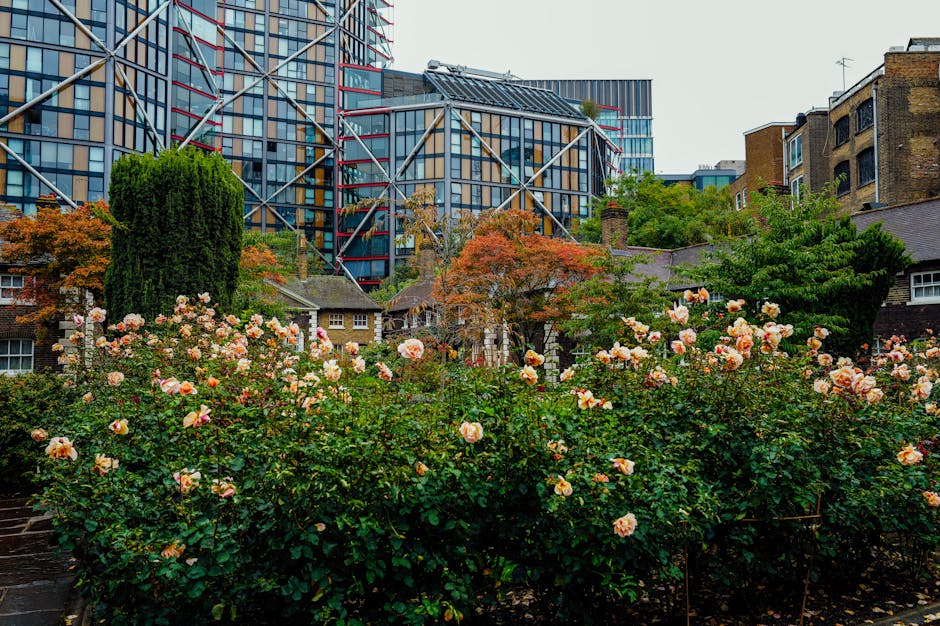
Portman Estate gardening services for communal courtyards W1: a practical guide for residents, managing agents, and property teams
Communal courtyards have a funny way of being both the first thing people notice and the last thing anyone wants to argue about. If the planting is tired, the paving looks dusty, or the shrubs have started to lean into the walkways, the whole place can feel a bit neglected. That is exactly why Portman Estate gardening services for communal courtyards W1 matter so much: they keep shared outdoor spaces neat, usable, and quietly impressive without turning them into high-maintenance show gardens.
In a busy part of central London, a courtyard has to do several jobs at once. It should look smart, cope with shade and wind, stay safe for residents and visitors, and remain manageable for the people who look after it. This guide explains what good communal courtyard maintenance involves, how it is usually organised, what to watch for, and how to make sensible decisions that hold up over time. If you are weighing up options for a residential block, mews property, or mixed-use building in W1, you are in the right place.
Table of Contents
- Why Portman Estate gardening services for communal courtyards W1 Matters
- How Portman Estate gardening services for communal courtyards W1 Works
- Key Benefits and Practical Advantages
- Who This Is For and When It Makes Sense
- Step-by-Step Guidance
- Expert Tips for Better Results
- Common Mistakes to Avoid
- Tools, Resources and Recommendations
- Law, Compliance, Standards, or Best Practice
- Options, Methods, or Comparison Table
- Case Study or Real-World Example
- Practical Checklist
- Conclusion
- Frequently Asked Questions
Why Portman Estate gardening services for communal courtyards W1 Matters
Shared courtyards are not just decorative extras. In many W1 properties, they are part of the everyday experience of living in the building. People pass through them on the way to flats, pause in them with coffee, or glance out on them from ground-floor rooms and offices. When they are well kept, they add calm. When they are not, everyone notices. Quickly.
That is why the right gardening service is about more than mowing or trimming. It is about maintaining a balanced outdoor environment that suits the scale of the estate, the architecture, and the rhythm of the residents. Portman Estate-style communal courtyards often need careful, regular attention rather than dramatic seasonal overhauls. Think tidy borders, reliable plant health, clean edges, and sensible management of access routes. Nothing overdone. Nothing left to drift.
In practice, the best courtyard maintenance teams understand the limits of the space. A small enclosed area can become humid, shaded, or cluttered with fallen leaves faster than a larger garden. A courtyard with limited access may need lighter equipment, planned visits, and careful coordination with residents or building managers. You will notice the difference in the details: fewer overgrown corners, fewer slippery surfaces, and less of that slightly forgotten feeling that can creep in by late autumn.
For property managers and freeholders, there is also a reputational angle. A maintained courtyard suggests the building is looked after properly. That matters to occupiers, visitors, and prospective residents. It is a small space, yes, but small spaces carry a lot of weight in London. Truth be told, people often judge a whole building by the courtyard before they ever see the rest.
Expert summary: communal courtyard gardening works best when it is regular, discreet, and tailored to the site. In W1, the goal is usually not lush excess; it is calm, tidy, and dependable upkeep that supports the building's character.
How Portman Estate gardening services for communal courtyards W1 Works
Good communal gardening starts with a proper assessment. A reputable provider will look at the courtyard as a working environment, not simply a patch of green. They will usually assess planting, light levels, drainage, soil condition, access points, waste removal needs, and any areas where residents walk, sit, or gather. That first look matters more than people sometimes realise. A courtyard can appear straightforward and still have awkward issues hiding underneath.
From there, services are generally split into routine maintenance and occasional heavier tasks. Routine work may include planting care, weeding, deadheading, pruning, lawn or grass-edge maintenance where applicable, litter removal, sweeping, and basic tidying around planters or paved areas. Heavier or less frequent work might involve seasonal planting changes, soil refreshment, hedge trimming, tree-related work, or garden clearance if the space has been left to build up over time.
Coordination is the other half of the job. Communal courtyards sit in shared-use buildings, so timing matters. Work often needs to be planned around resident access, deliveries, noise sensitivity, and bin collections. A good service will communicate clearly, keep disruption low, and avoid the kind of messy mid-day chaos nobody wants outside their front door. Sounds obvious, but you would be surprised how often it gets missed.
Many building teams also prefer a monthly or fortnightly cycle, with lighter visits in quieter periods and more active work in spring and early summer. That rhythm helps keep costs sensible while preventing the courtyard from slipping into expensive recovery mode. For broader upkeep across the estate, some clients also review garden maintenance as part of a wider contract, especially where several shared areas need consistent standards.
Key Benefits and Practical Advantages
The obvious benefit is appearance. A clean, healthy courtyard looks intentional. It sends the right message about the building and can make the space feel bigger, brighter, and more welcoming. But the less obvious benefits are often more valuable in the long run.
- Safer walkways: regular clearing of leaves, moss, and debris helps reduce slip risks in paved areas.
- Better plant health: steady care prevents stress, disease build-up, and unattractive dieback.
- Less reactive spending: routine maintenance usually costs less than repeated rescue work after long neglect.
- Improved resident satisfaction: people like seeing shared spaces handled properly. It lowers complaints, simple as that.
- Stronger estate presentation: a tidy courtyard supports the premium feel many W1 buildings rely on.
- More manageable access: clear routes, trimmed edges, and well-kept planters make daily movement easier.
There is also a practical wellbeing benefit. Even a modest courtyard can be a useful visual break from the street. In a place like W1, where traffic, footfall, and noise are part of the background, a well-kept inner space gives residents a bit of breathing room. Not dramatic. Just pleasant. And that counts.
If the courtyard includes hard landscaping, seating zones, or timber features, the maintenance picture becomes broader. In those cases, it can be sensible to review related services such as landscaping or, where surfaces and timber structures are part of the design, decking services. A coherent approach usually works better than piecemeal fixes.
Who This Is For and When It Makes Sense
These services are usually the right fit for block managers, estate managers, resident associations, landlords, and managing agents responsible for shared outdoor areas. They are also useful for mixed-use buildings where the courtyard sits between private homes, commercial entrances, and common access points. If people use it daily, it needs a maintenance plan. Otherwise it becomes one of those spaces everyone assumes someone else is dealing with. A classic London problem, really.
It makes sense to bring in regular courtyard gardening when any of the following start happening:
- plants are becoming patchy, leggy, or overcrowded
- weeds are returning too quickly after basic tidy-ups
- fallen leaves and grit are collecting in corners
- residents are raising concerns about appearance or safety
- the courtyard feels dim, cluttered, or underused
- staff or caretakers are handling garden tasks without enough time or equipment
For some sites, the trigger is seasonal. Spring growth can suddenly make everything feel unruly. In autumn, leaf drop can overwhelm small spaces faster than anyone expects. And in winter, bare branches and damp surfaces make neglected details stand out sharply. One wet morning is often enough to expose the weak spots.
If your courtyard has become hard to manage, larger-scale assistance may be needed first. A one-off clean-up or reset can help the site get back to a manageable baseline before regular care begins. In those cases, garden clearance can be a useful starting point.
Step-by-Step Guidance
If you are planning or reviewing courtyard maintenance, it helps to think in stages. That keeps the process practical and makes it easier to brief contractors, residents, or the managing agent.
- Assess the courtyard honestly. Look at what is actually happening on site: access, sun, shade, planting quality, drainage, and wear patterns.
- Define the outcome. Do you want simple upkeep, a calmer planting scheme, better year-round structure, or a more premium finish?
- Identify priority issues. Safety matters first, then visual standards, then longer-term improvements. It is tempting to start with flowers. Sometimes that is backwards.
- Set a maintenance rhythm. Weekly, fortnightly, monthly, or seasonal visits should match the size and use of the space.
- Agree access and communication. Make sure residents know when work will happen, especially if machinery, pruning, or waste removal is involved.
- Review plant choices. Courtyard planting often needs shade tolerance, drought resilience, and low-litter habits. Pretty is good. Practical is better.
- Track results. A courtyard should get easier to manage over time, not harder. If it is becoming more demanding, something in the plan needs changing.
One useful habit is to photograph the space at the start of each season. It sounds almost too simple, but comparison photos make patterns obvious. You notice what is thriving, what is struggling, and what keeps getting missed near that awkward left-hand corner where nobody ever seems to sweep properly.
Expert Tips for Better Results
Small courtyards reward restraint. The temptation is always to cram in more colour, more texture, more seasonal display. But in enclosed urban spaces, clutter can build fast. We have seen many courtyards look better after a slight simplification rather than another layer of planting. Less noise. More structure. It works.
Here are a few practical tips that genuinely help:
- Choose plants for conditions, not just style. Shade, reflected heat, wind tunnels, and poor air movement all matter in London courtyards.
- Keep edges crisp. Clean borders and tidy paving joints often make a bigger visual difference than adding more plants.
- Prioritise evergreen structure. It gives the space shape during the bare months, which in W1 can feel long and grey.
- Build in seasonal review points. Spring and late autumn are sensible times to reassess planting and maintenance frequency.
- Use discreet but effective waste removal routines. Nothing spoils a courtyard faster than bags left waiting for collection after pruning day.
For sites with hedging, privacy screens, or boundary planting, periodic hedge trimming keeps the courtyard open and orderly without making it feel harsh. If there are trees nearby, branch clearance and careful inspection can also be important, especially where shade or leaf drop is becoming an issue. In those cases, tree lopping and removal may be relevant where work is appropriate and properly assessed.
And a small human point: residents notice when the same awkward patch gets dealt with every visit. They really do. That sense of attention builds trust faster than a fancy planting plan ever could.
Common Mistakes to Avoid
Communal courtyards can go wrong in predictable ways. The good news is that most of them are avoidable if you know what to look for.
- Choosing looks over maintenance reality. A plant that looks brilliant for six weeks but collapses in shade is not a win.
- Ignoring drainage and runoff. A courtyard that stays damp will quickly grow slippery and unhappy-looking.
- Using a one-size-fits-all schedule. What works for a large open garden may be too much, or too little, for a compact estate courtyard.
- Letting maintenance drift. Miss a few cycles and the job becomes much harder. That is usually how it starts.
- Failing to coordinate with residents. Even good work can cause irritation if access and timing are handled badly.
- Over-pruning or over-cleaning. A courtyard should look maintained, not stripped bare.
Another common issue is treating hard landscaping and planting as separate problems. In reality, they affect each other all the time. A broken edge, compacted soil, or loose paving can undermine the whole area. If the space needs broader improvement, it may be worth looking at landscape gardening or more general landscaping input rather than only routine tidying.
Tools, Resources and Recommendations
You do not need a huge toolkit to maintain a communal courtyard well, but you do need the right approach. In small spaces, control matters more than brute force.
Useful equipment and practical resources often include:
- lightweight pruning tools for fine work around planting beds
- compact blowers or brooms for leaves and debris on paved areas
- hand tools for weeding between paving joints and in tight borders
- durable bags or bins for collected green waste
- seasonal planting plans that suit the courtyard's light and exposure
- a simple site log for visits, issues, and completed tasks
For managing agents, a written scope of works can be surprisingly helpful. It should say what is included, how often visits happen, how waste is handled, and what counts as extra work. That avoids misunderstandings later. Not glamorous, but very useful. The boring paperwork bit does save arguments.
If budgets or service levels are being reviewed, it may also help to examine services overview and then compare it with pricing and quotes so expectations line up before anyone commits. For organisations that value supplier background and working practices, about us can help set the context behind the service approach.
Law, Compliance, Standards, or Best Practice
Communal courtyard maintenance in London usually sits within a mix of property management duties, health and safety expectations, and common-sense site care. Exact legal responsibilities depend on the building, the tenancy or lease structure, and who manages the premises. So it is wise to treat compliance as a site-specific matter rather than assume one fixed rule applies everywhere.
From a practical standpoint, the main best-practice themes are straightforward:
- Keep access routes safe and clear. Leaves, algae, loose clippings, and obstructions should not be left where people walk.
- Use suitable work methods. Shared areas should be maintained with care so residents and visitors are not put at unnecessary risk.
- Plan for waste handling. Green waste should be removed in line with site procedures and environmental expectations.
- Confirm insurance and safety arrangements. Anyone working in shared spaces should be properly covered and competent for the tasks they are undertaking.
- Respect access, quiet hours, and resident communication. Good management is not only about plants; it is also about people.
For building teams, it is sensible to ask for service confirmation, safety information, and clear working procedures before work begins. Pages such as insurance and safety and health and safety policy are useful references when checking how a provider approaches risk and responsibility. If payments, terms, or admin processes matter to you, it can also help to review payment and security and terms and conditions.
Environmental good practice matters too. Green waste handling, responsible disposal, and low-impact maintenance methods should all be part of the conversation, especially in a residential setting. If sustainability is a priority for your building or estate, recycling and sustainability is worth reviewing as part of the wider service picture.
Options, Methods, or Comparison Table
Not every courtyard needs the same level of service. A compact, shaded, low-traffic space may only need gentle routine care, while a more visible estate courtyard may benefit from a fuller maintenance and planting plan. The table below gives a practical comparison.
| Approach | Best for | Typical strengths | Possible limitations |
|---|---|---|---|
| Basic routine maintenance | Small courtyards with stable planting and light use | Cost-conscious, tidy, predictable | May not solve deeper design or planting issues |
| Seasonal maintenance plus visits | Courtyards that need changes through the year | Better balance of upkeep and impact | Needs good planning and clear scope |
| Full courtyard management | Prominent estate spaces or higher-standard shared gardens | Strong presentation, better long-term control | More coordination, usually a larger budget |
| Reset and recovery work | Overgrown or neglected shared courtyards | Fast improvement from a poor baseline | May need follow-up maintenance to hold results |
If the courtyard is used as a visual anchor for the property, a fuller approach often pays off. If it is mainly a transitional shared space, a lighter regime can be enough. The trick is to match the method to the real use of the site, not just the idealised version in someone's head. Happens all the time.
Case Study or Real-World Example
Imagine a small W1 courtyard used by residents of a period building and visible from several ground-floor windows. The space has paved access, a narrow planting strip, a few container plants, and a hedge line near the boundary. At first glance, it seems easy enough. But after a wet spring, moss starts building on the paving, the hedge grows unevenly, and the containers dry out faster than expected because of reflected heat from the surrounding walls.
Instead of replacing everything, the maintenance plan is adjusted. The courtyard gets a regular tidy schedule, the hedge is cut more carefully, the planting mix is simplified to better suit shade and airflow, and the paving is kept clear of debris. A few neglected corners are cleared back, and the resident-facing view becomes more open and calm. No grand transformation, just steady improvement. The kind people actually live with.
That is the lesson with most communal courtyards in the Portman Estate/W1 context: the best results usually come from sensible structure, not constant reinvention. The space starts working better because it is being managed properly. Nothing flashy. Just reliable care, week after week.
Practical Checklist
Use this checklist when reviewing or commissioning communal courtyard gardening.
- Is the courtyard clear, tidy, and safe to walk through?
- Are planting choices realistic for shade, wind, and limited space?
- Is there a regular schedule for visits and seasonal review?
- Are leaves, weeds, and clippings removed promptly?
- Are any hedges, trees, or boundary plants being monitored properly?
- Do residents know when work is planned?
- Are access routes and quiet hours being respected?
- Is the maintenance scope clear enough to avoid confusion?
- Are safety, insurance, and waste handling covered?
- Does the courtyard actually look better month by month?
If you can answer yes to most of those, you are probably in good shape. If not, there is room to tighten things up before the small problems become the expensive ones.
Get a free quote today and see how much you can save.
Conclusion
Portman Estate gardening services for communal courtyards W1 are about more than keeping things neat. They protect the feel of the building, support everyday use, and reduce the friction that often builds up in shared spaces. The best approach is calm, consistent, and tailored to the actual courtyard rather than a generic idea of what a garden should be.
When the service is well planned, the courtyard stops being a maintenance headache and becomes one of the building's quiet strengths. Residents feel it. Visitors notice it. And the whole place simply works better. That is the real value here, to be fair. Not drama. Just good stewardship of a space that matters.
And if you are still deciding, start with the basics: review the site honestly, define the standard you want, and choose a maintenance plan that makes life easier rather than busier. A well-kept courtyard has a way of paying people back in small, steady ways. Not a bad trade at all.
Frequently Asked Questions
What do communal courtyard gardening services usually include?
They typically include tidying, weeding, pruning, planting care, leaf clearance, edging, and general upkeep of shared outdoor areas. Some sites also need hedge work, seasonal planting, or more detailed landscaping support.
How often should a communal courtyard in W1 be maintained?
It depends on size, planting, and usage, but many shared courtyards benefit from weekly, fortnightly, or monthly visits. Heavily used or highly visible spaces often need more frequent attention.
Why are courtyard gardens in central London different from normal gardens?
They are often smaller, more enclosed, and more affected by shade, reflected heat, limited access, and resident movement. That means the maintenance plan has to be more precise and usually a bit more restrained.
Can a small courtyard still look impressive without lots of planting?
Yes, absolutely. Clean lines, healthy plants, crisp edging, and a well-balanced layout often make a stronger impression than overcrowding the space with flowers and containers.
What should property managers ask before hiring a gardening service?
Ask about the maintenance schedule, access arrangements, waste removal, safety procedures, insurance, communication with residents, and what happens if the site needs extra work such as clearance or hedging.
Is garden clearance ever needed before regular maintenance starts?
Yes. If the courtyard has been neglected or allowed to overgrow, a one-off clearance can reset the space so routine maintenance becomes manageable again.
Do communal courtyards need special plants?
They do not need rare plants; they need suitable ones. Shade-tolerant, low-maintenance, and resilient planting usually performs much better in enclosed W1 courtyards than high-demand species.
How do gardeners keep shared spaces safe for residents?
By keeping access routes clear, removing debris, managing slippery surfaces, using appropriate equipment, and working around resident movement and quiet periods. Good coordination matters as much as the gardening itself.
What are the most common problems in communal courtyards?
The most common issues are weeds, leaf build-up, tired planting, uneven pruning, damp paving, poor drainage, and maintenance that becomes too irregular. Most of these problems are fixable if caught early.
How can I tell if my courtyard needs landscaping rather than just maintenance?
If the space has deeper structural issues, poor layout, failing hard surfaces, or planting that never really works, then simple upkeep may not be enough. In that case, broader landscaping or landscape gardening input may be needed.
What makes a good communal courtyard maintenance plan?
A good plan is realistic, regular, and tailored to the site. It should cover routine care, seasonal changes, waste handling, safety, and clear communication, while staying flexible enough to deal with weather and resident use.
How do I get the best value from courtyard gardening services?
Be clear about priorities, choose a maintenance frequency that prevents big problems, and keep the scope realistic. A stable, well-managed plan usually gives better long-term value than repeated emergency fixes.
Who is the best fit for this type of service?
Block managers, freeholders, resident associations, and managing agents are the usual decision-makers. The service is most useful when a shared outdoor area needs to stay attractive, safe, and easy to manage over time.
For a building in W1, the ideal courtyard is not the loudest or the most elaborate. It is the one that feels quietly looked after, day after day, in a way people trust. And that is usually the sign of good work.